Whether you're chasing a PB, gearing up for race season, or simply trying to level up your performance, smart training is everything. But even the most committed athletes fall into patterns that slow progress or, worse, lead to injury.
So we asked a coach: What are the most common mistakes athletes make in their training? Here’s what he said, and how you can avoid them.
1. Ignoring Niggles and Training Through Pain
Small niggles are easy to brush off… until they’re not.
One of the biggest mistakes athletes make is pushing through pain instead of addressing it early. A tight calf, a cranky knee, or a dull ache in the hip may not feel like a big deal, but these are often early warning signs.
Why it matters:
Pain is your body’s way of saying something isn’t right. Ignoring it can quickly turn a minor issue into a full-blown injury that puts you out for weeks (or months).
What to do instead:
• Rest or modify training at the first sign of a niggle.
• Prioritise mobility, recovery work, and strength imbalances.
• Seek guidance from a physio or coach if pain persists.
2. Piling On High-Intensity Sessions Back-to-Back
High intensity should spice up your training, not dominate it.
Another common mistake is stacking intense sessions too close together — or worse, filling the entire week with them. Session after session of speed work, threshold sets, or heavy lifting leaves the body with no time to bounce back.
Why it matters:
Recovery isn’t optional. Without it, your performance drops, fatigue builds, and the risk of injury skyrockets.
What to do instead:
• Space out hard sessions with lower-intensity or active recovery days.
• Aim for balance: a mix of easy, moderate, and high-intensity work.
• Listen to your body — fatigue is information.
3. Increasing Everything at Once (Volume, Intensity, Duration)
When it comes to progression, more isn’t always better — especially when “more” means everything at once.
A major training trap athletes fall into is ramping up multiple variables at the same time: longer sessions, higher intensity, and more weekly volume. This “double or triple whammy” overload is one of the quickest ways to push your body past its limits.
Why it matters:
Your body can adapt — but only when the load increases at a manageable pace. Overloading all at once leads to exhaustion, burnout, and breakdown.
What to do instead:
Follow a simple rule: increase one metric at a time.
• Want to run longer? Add duration.
• Want to get faster? Increase intensity.
• Want better endurance? Add a bit of volume.
Just don’t add all three in the same week.
Training smart is just as important as training hard. By paying attention to niggles, respecting recovery, and progressing gradually, you’ll stay healthier, get stronger, and perform better over the long term.
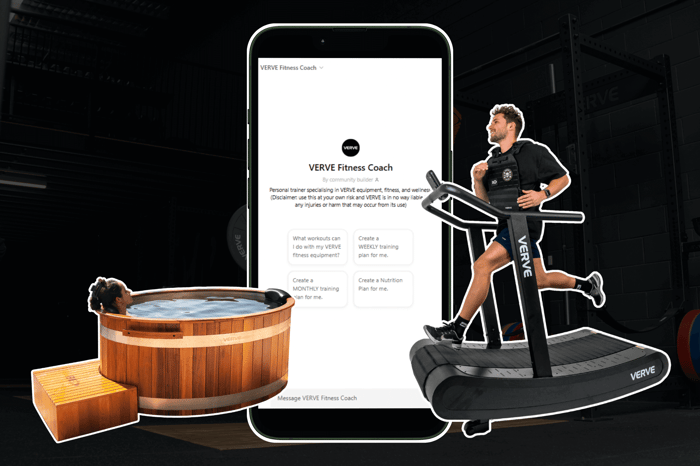
Want to optimise your training even further? Use the VERVE AI Coach to get your personalised program!